Protecting our Protectors
Fire Fighter ServiceHow PFAS Firefighter Gear Regulations Impact Turnout Gear
.jpg?cx=0&cy=0&t=W375xH594&hash=1633AB2234047CB1E4BCE3E4EB8844BA)
How PFAS Firefighter Gear Regulations Impact Turnout Gear
In recent years, PFAS (per- and polyfluoroalkyl substances) has made its way onto spec sheets and its impact on the health and wellbeing of the fire service industry is being studied closely. As the debate over PFAS in firefighting gear heats up, the urgency to find alternatives grows, putting the spotlight on the safety of our heroes on the front lines.

What Are PFAS and Why Should Firefighters Care?
According to the United States Environmental Protection Agency (EPA), PFAS are a group of man-made chemicals that have been used in various industries since the 1940s. Structural firefighting protective clothing includes multiple layers of textiles, commonly referred to as turnout gear, which can contain PFAS. A 2023 study by the National Institutes of Health highlighted that firefighting foams and turnout gear could be a source of PFAS exposure for firefighters. While research is ongoing, there is growing concern within the fire service community about the potential risks of firefighting and PFAS exposure.
How Is the Fire Service Industry Responding to PFAS Concerns?
This increasing awareness about the health risks associated with PFAS has led to significant regulatory changes, particularly concerning firefighters’ protective gear. Station crews and industry unions like the IAFF are collaborating to find and implement alternatives, ensuring the health and safety of firefighters. At the state and local levels, new laws are being introduced that directly impact the use of PFAS in firefighting gear. Additionally, regulations on PFAS in firefighting foam have been implemented in several states, further driving the industry to innovate and find safer solutions.
Which States Are Regulating PFAS in Firefighting Gear?
States across the country are taking significant steps to regulate PFAS in firefighting gear and foam. These regulations will significantly impact turnout gear manufacturers, who must transition to non-PFAS products and notify purchasers of any PFAS content in their equipment. Here’s a look at some of the key regulations:
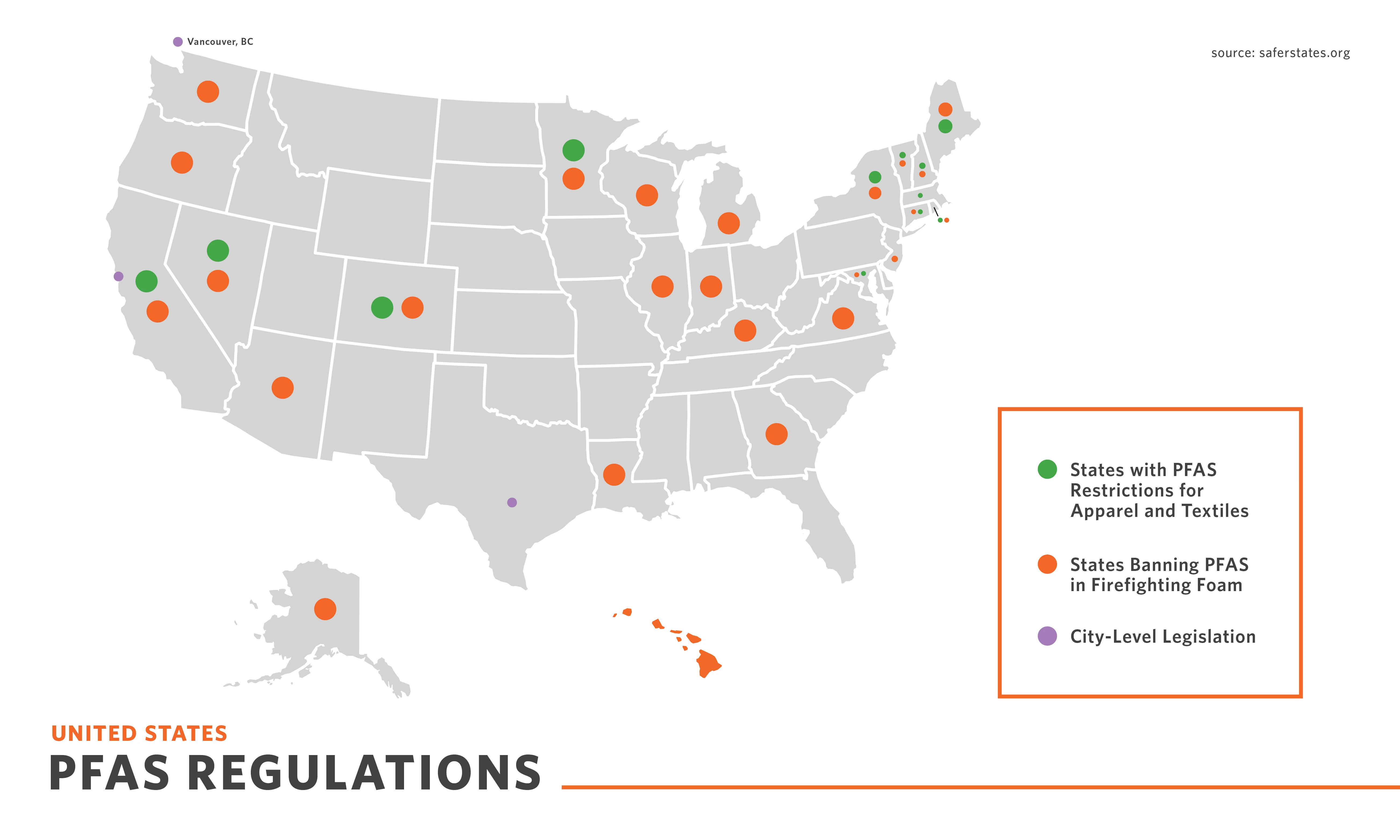
PFAS Regulations in Firefighter Gear, Textiles, and Apparel
The landscape of PFAS legislation is rapidly evolving, with states and cities taking decisive action to phase out intentionally added PFAS in firefighter gear and textiles. These regulations are reshaping procurement standards and accelerating innovation across the fire service industry.
State-Level Regulations
- Connecticut: S.B.292 (2024) prohibits the sale or distribution of apparel, textiles, and other consumer products containing intentionally added PFAS. Manufacturers must disclose PFAS content. Additionally, Connecticut’s earlier law mandates PFAS-free turnout gear by January 2028.
- Massachusetts: S.2902 (2024) requires PFAS disclosure in firefighter PPE starting January 1, 2025, and prohibits PFAS-containing gear by 2027.
- California: A.B.1181 (2025) directs the state to establish a timeline and safety standard for phasing out PFAS in turnout gear beginning in 2028.
- New York: A3008/S3008 (2025) includes provisions restricting PFAS in firefighter PPE.
- Vermont: H.238 (2025) and S.25 (2024) ban PFAS in textiles and firefighter gear, alongside a broad range of consumer products.
- New Hampshire: H.B.1352 (2024) requires PFAS disclosure in firefighter PPE and prohibits gear with intentionally added PFAS starting January 1, 2025.
- Illinois: H.B.2409 (2025) mandates PFAS disclosure and bans the manufacture and sale of PFAS-containing firefighter PPE. H.B.2516 (2025) extends the ban to textiles and intimate apparel.
- Rhode Island: H.B.5019 / S.B.241 (2025) prohibits the sale of PFAS-containing firefighter PPE starting January 1, 2027.
- Colorado: S.B.24-081 (2024) bans PFAS in extreme-weather outdoor apparel and textile articles, including firefighter gear.
City-Level Action
- San Francisco, CA: Enacted a PFAS ban for turnout gear in May 2024, marking the first city-level legislation of its kind.
- Austin, TX: Approved a resolution in September 2024 to phase out PFAS-containing gear over the next three years.
- Vancouver, BC: Allocated $2.8 million in 2024 to procure PFAS-free bunker gear, ensuring full coverage for fire personnel.
These regulations are driving the fire service industry to innovate and find alternatives to PFAS, ensuring that firefighters have the best possible protection without the associated potential health risks.
What Are the Challenges of Moving Towards Non-PFAS Firefighting Gear?
Transitioning away from PFAS in personal protective equipment is a big challenge. PFAS chemistries are great at resisting heat, water, and oil, which makes them ideal for protective gear. Finding alternatives that keep these protective qualities without sacrificing performance is difficult. Here are the main challenges:
- Finding Durable and Protective Materials: Materials used in firefighter gear need to be tough and long-lasting, handling extreme heat and exposure to hazardous conditions. Creating non-PFAS materials that are just as durable and protective takes a significant amount of research and innovation.
- Rigorous Safety Testing: Any new material must go through strict testing to ensure it provides the same level of safety and performance as traditional PFAS-based fabrics. This rigorous testing is crucial to guarantee that the new gear can be trusted in critical moments.
- Maintaining Comfort and Flexibility: Firefighter gear must not only be protective but also comfortable, flexible, and breathable to reduce heat stress. Developing non-PFAS materials that provide the same level of breathability and ease of movement is crucial for firefighter performance and safety.
Where to Find Non-PFAS Turnout Gear Options
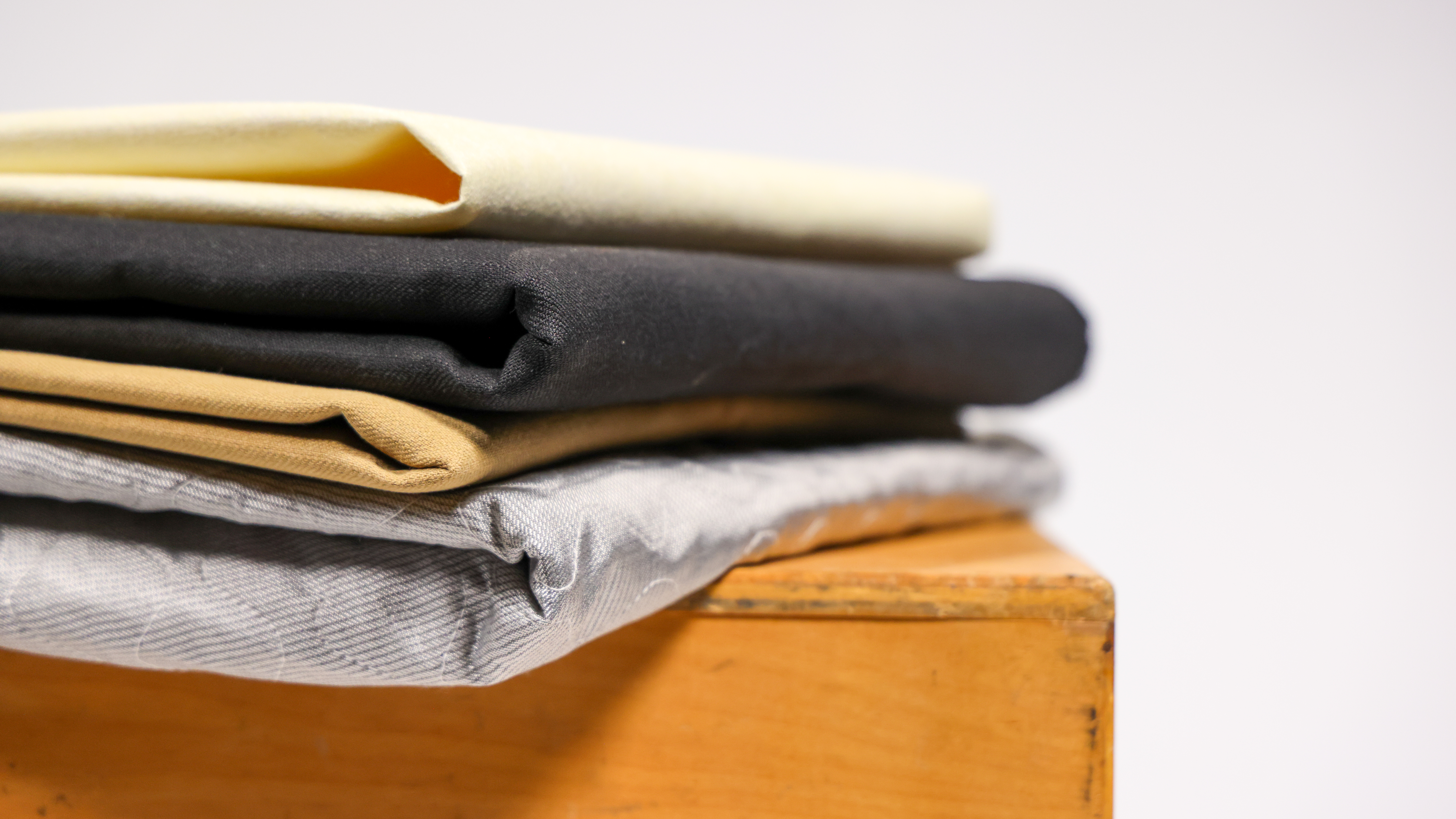
Milliken’s Textile Business has successfully navigated these challenges, becoming the first U.S.-based manufacturer to offer a non-PFAS fabric for every layer of turnout gear. This achievement demonstrates that protective gear can be high-performing, durable, and comfortable, while also being non-PFAS. Milliken’s innovation not only meets safety and performance standards but also addresses the increasing demand for gear that prioritizes the health and well-being of first responders.
The Next Generation of Firefighter Gear: Safer and Non-PFAS
As the fire service industry continues to advocate for safer gear, the pathway toward non-PFAS turnout gear is becoming clearer. Companies are responding to market demand and regulatory changes by innovating alternatives. Milliken is at the forefront of this movement, providing non-PFAS ssolutions for firefighter gear that are certified to NFPA 1971-2018 and NFPA 1970-2025.
The Next Generation of Firefighter Gear: Safer and Non-PFAS
As the fire service industry continues to advocate for safer gear, the pathway toward non-PFAS turnout gear is becoming clearer. Companies are responding to market demand and regulatory changes by innovating alternatives. Milliken is at the forefront of this movement, providing non-PFAS solutions for firefighter gear that are NFPA 1971-2018 certified.
By staying informed and proactive, we can ensure that our firefighters have the safest and most effective gear available. To learn more about our latest innovations and how we are leading the charge in protective gear, explore our solutions. And, for a deeper look at fire service legislation impacting your community, reach out. Our team would love to chat!
Have questions about non-PFAS turnout gear?
Our team is here to help you navigate the latest regulations and explore your options including wear trials if you’re ready.
Contact Us